
Congratulations to Sara Carter-Mills
By Sarah Lynn Burkhardt, EOW Board of Directors
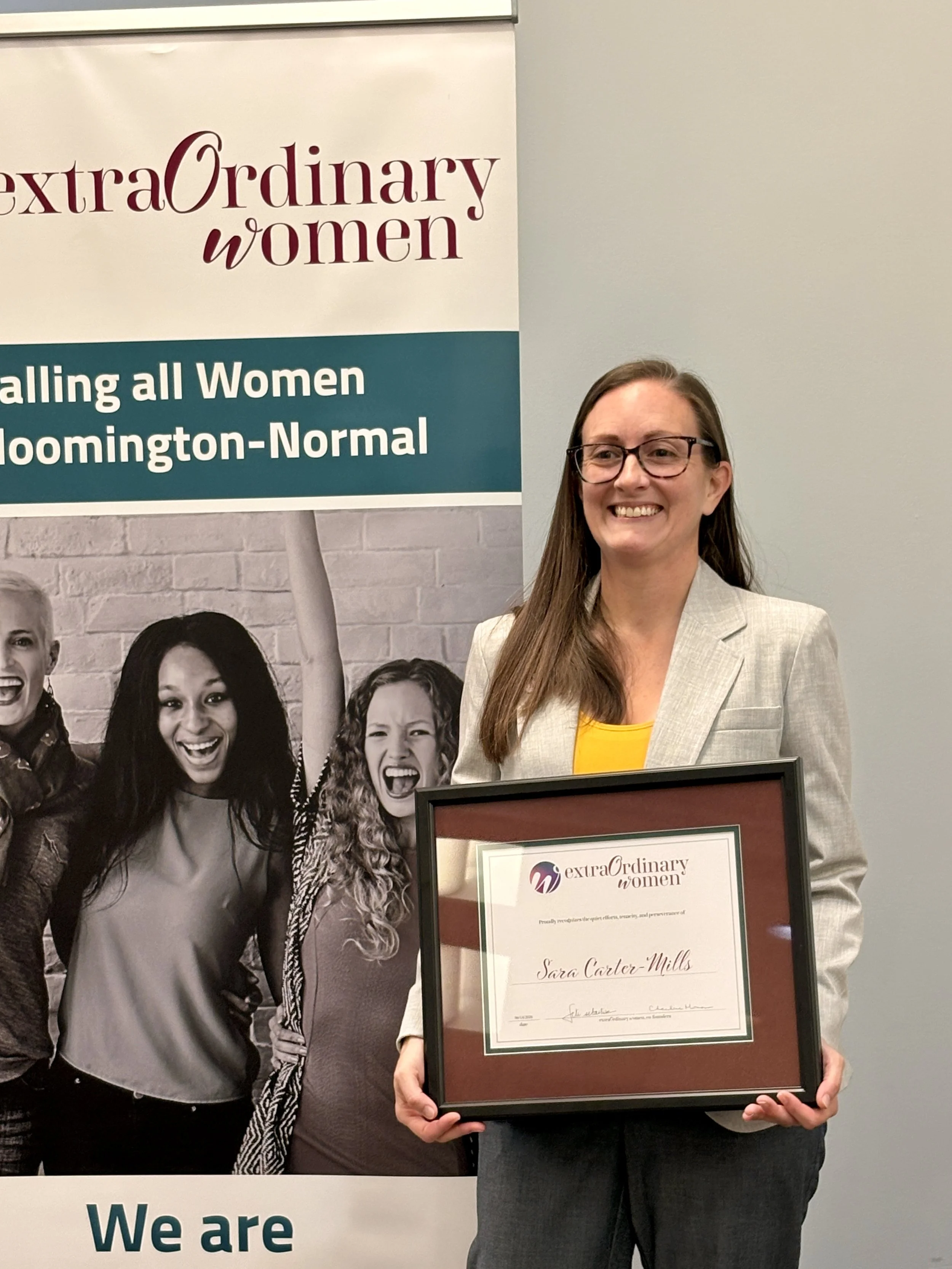
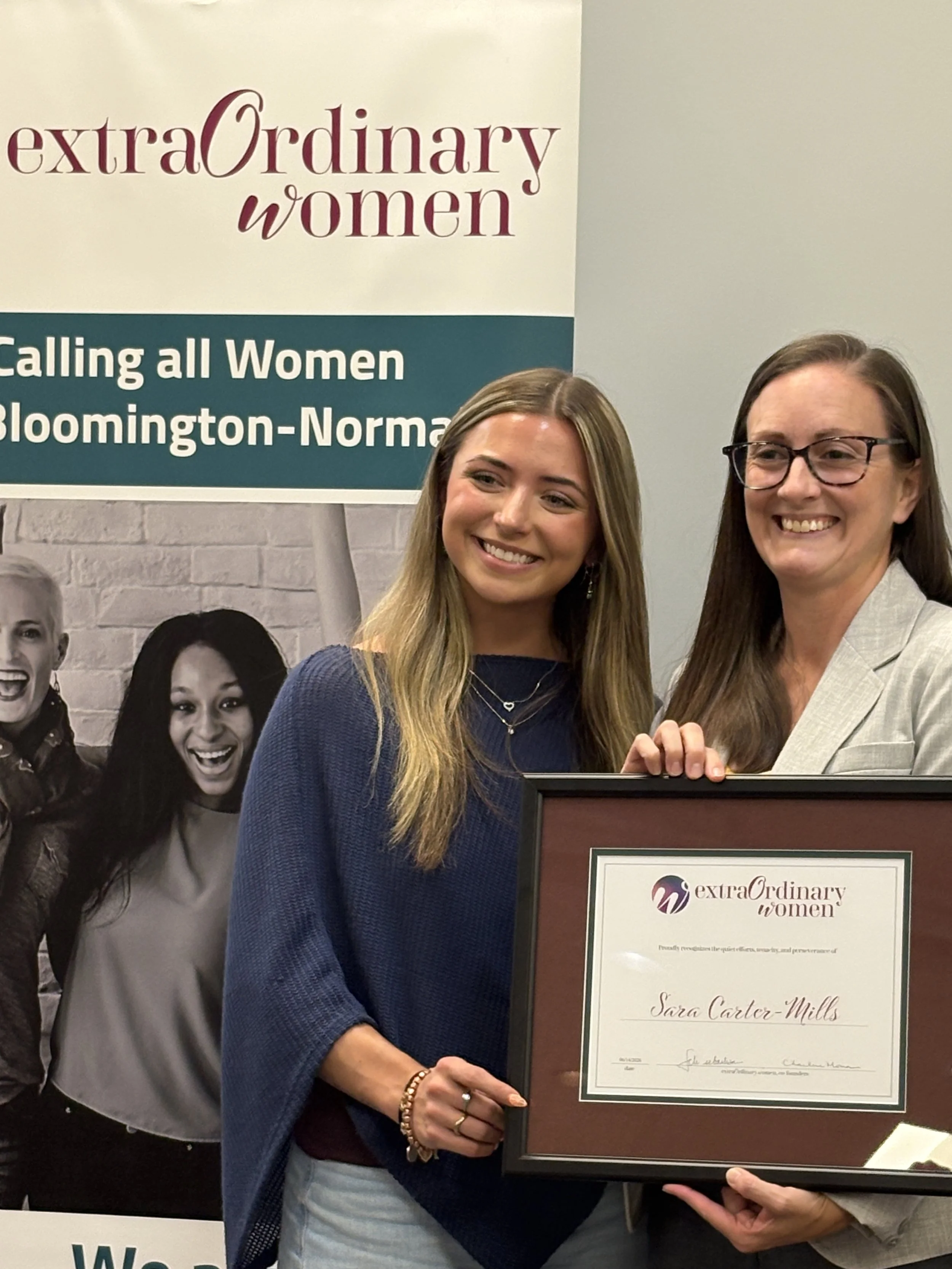
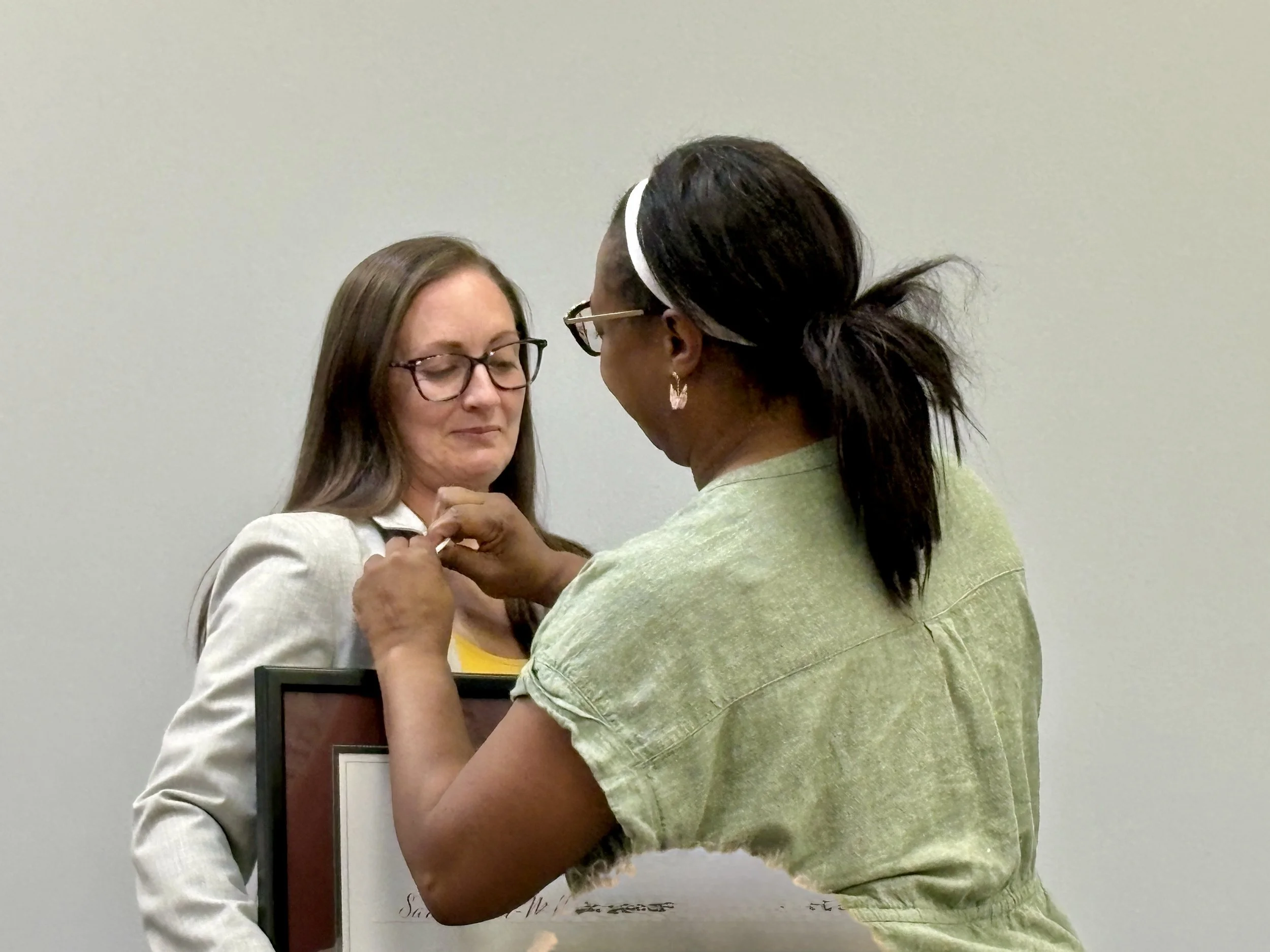
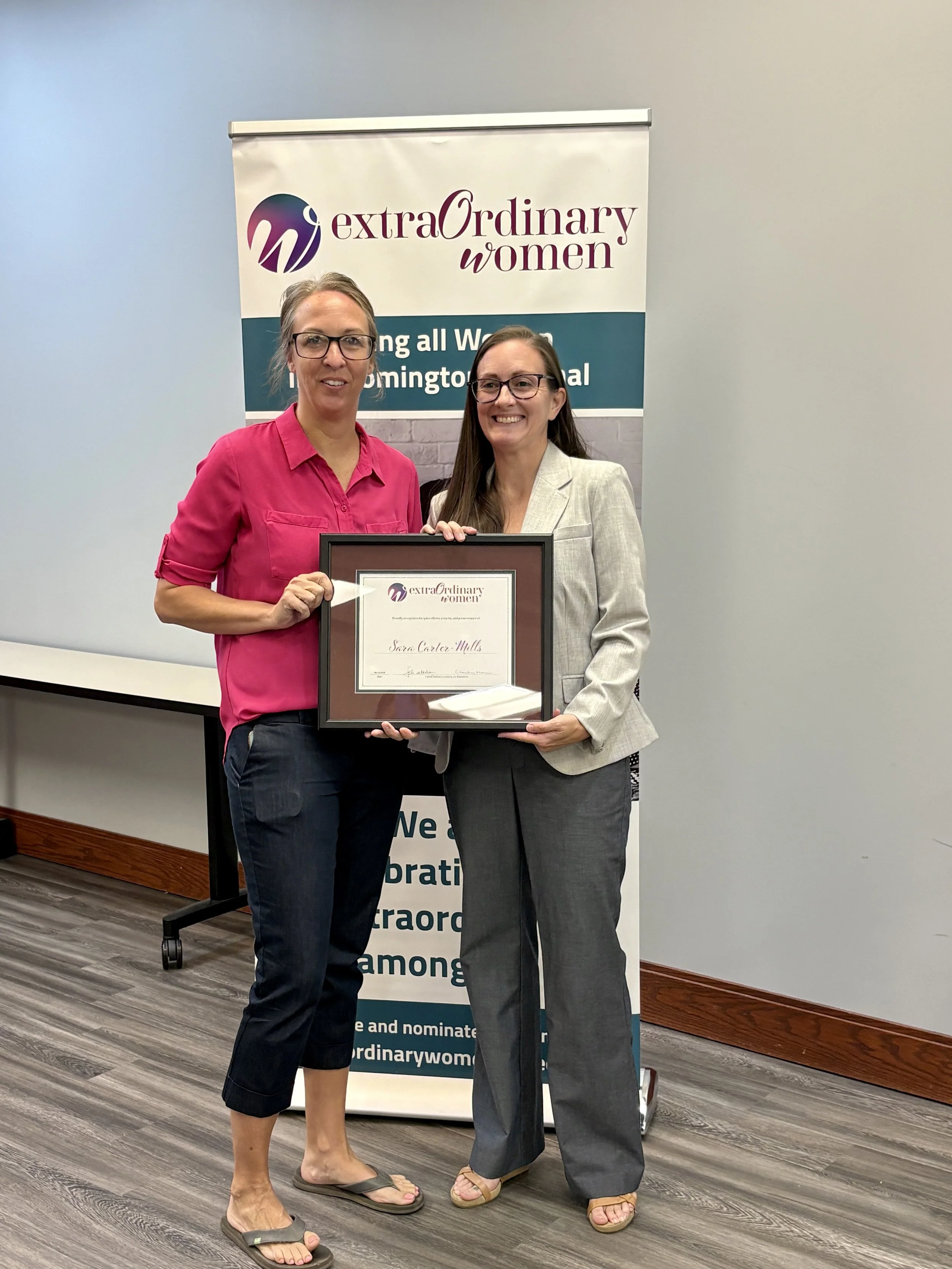
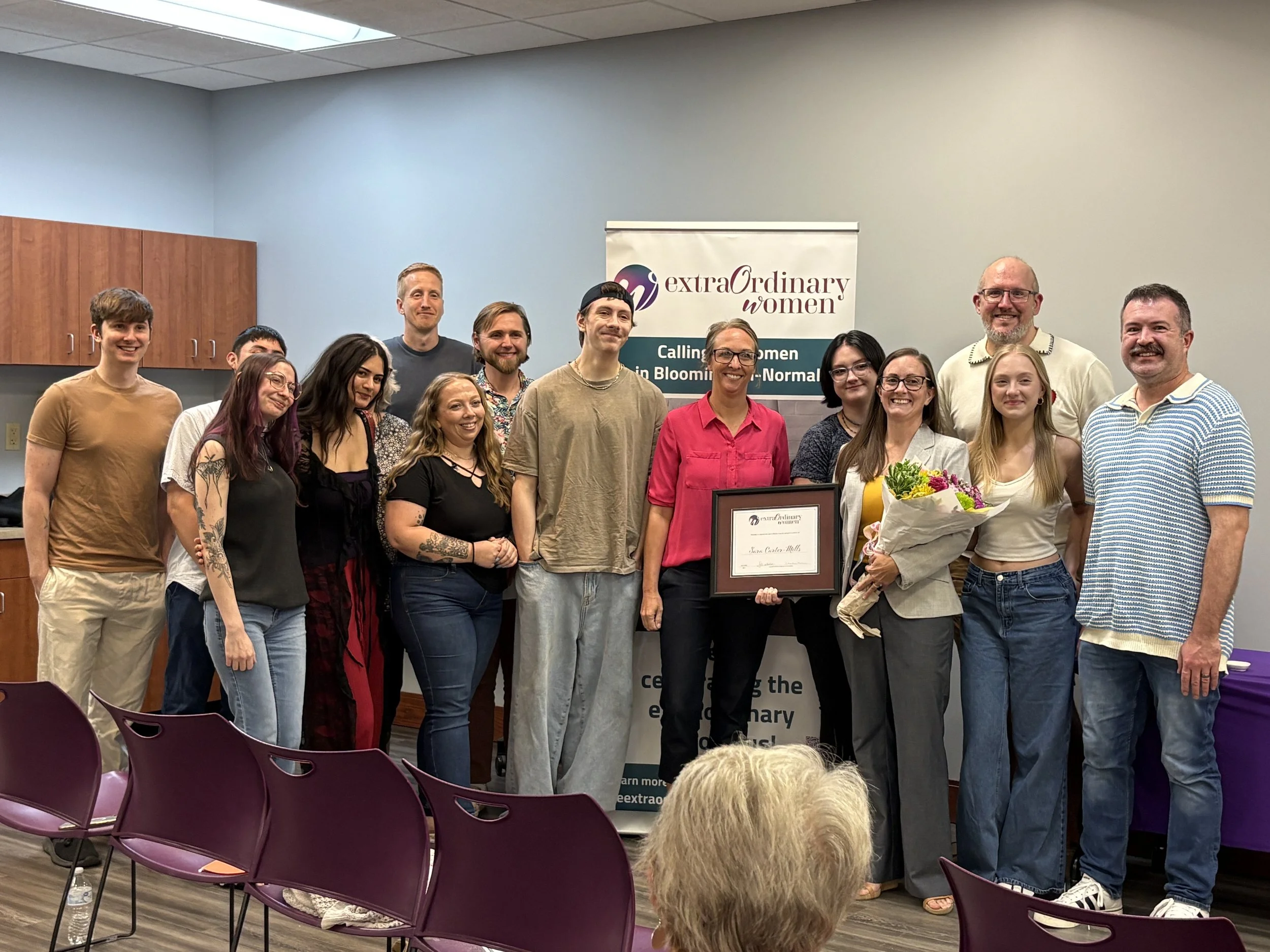
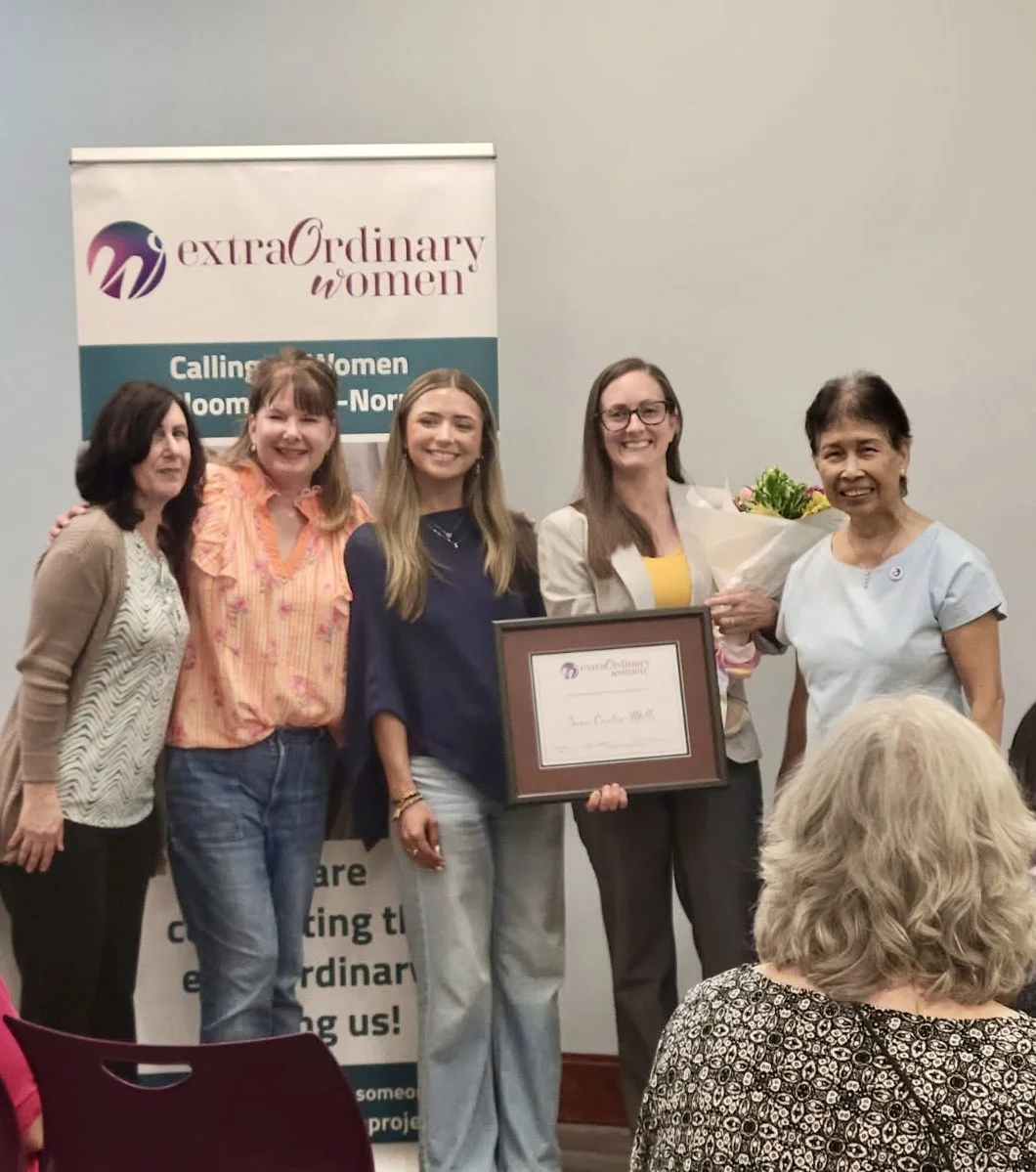
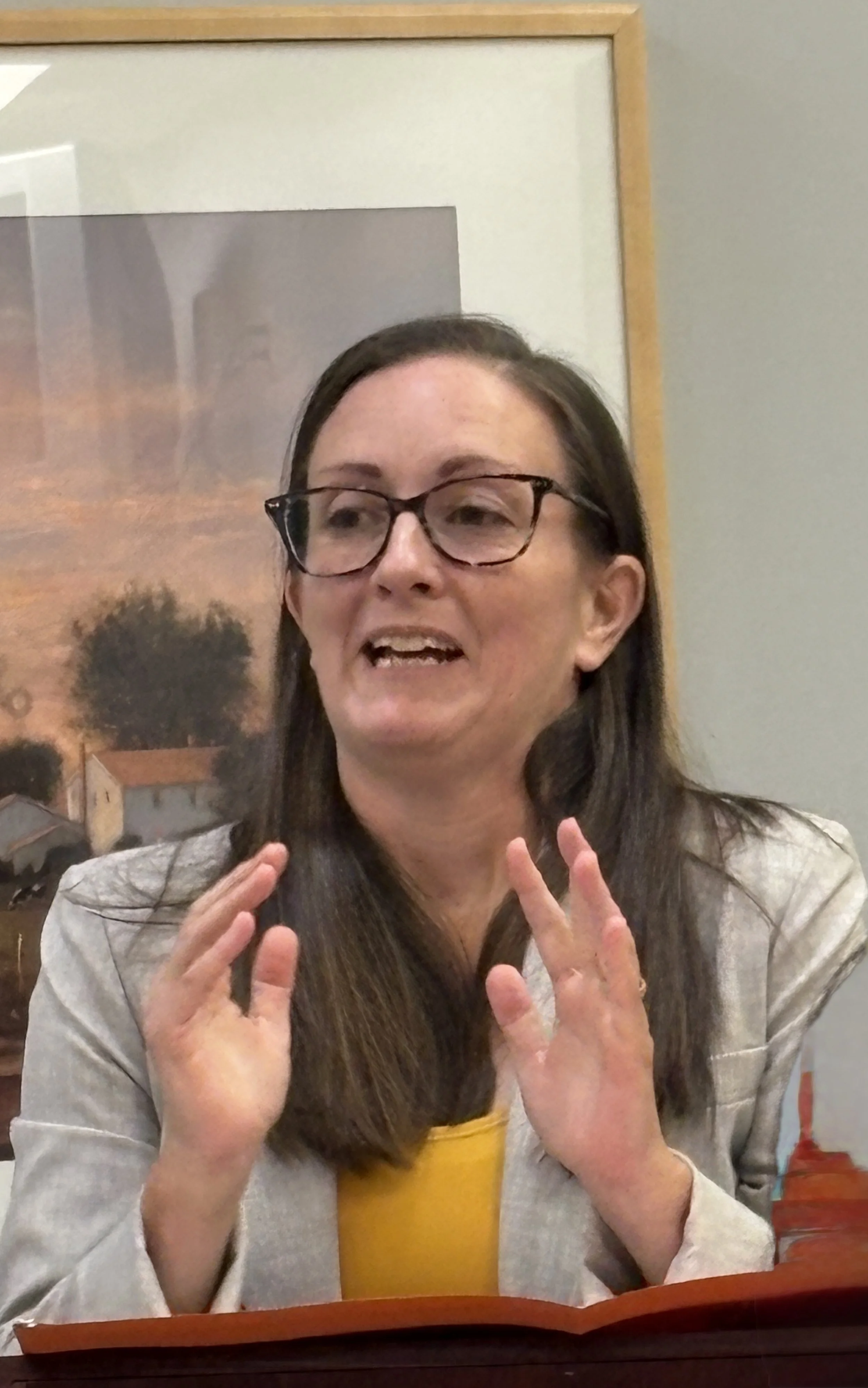
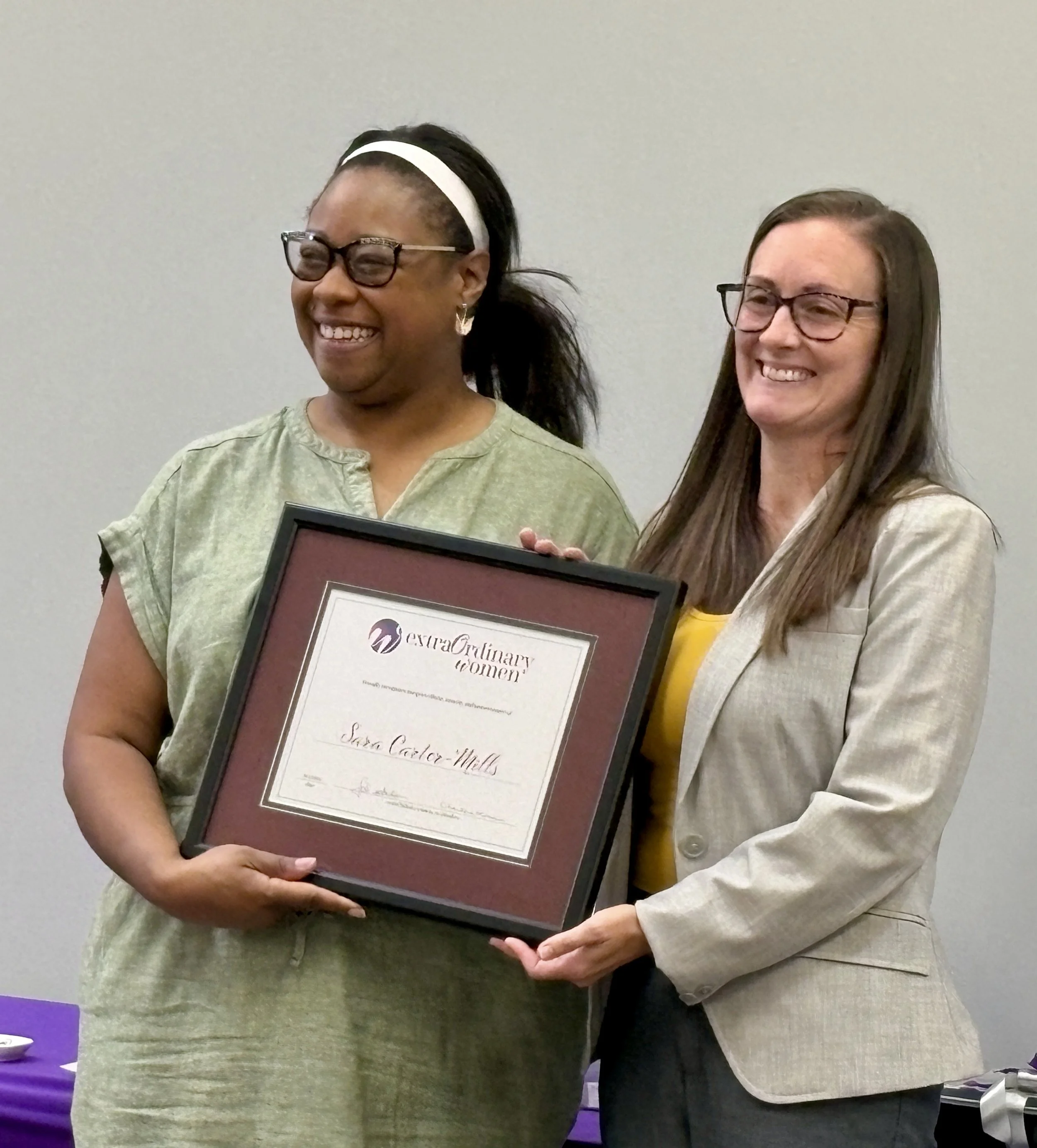
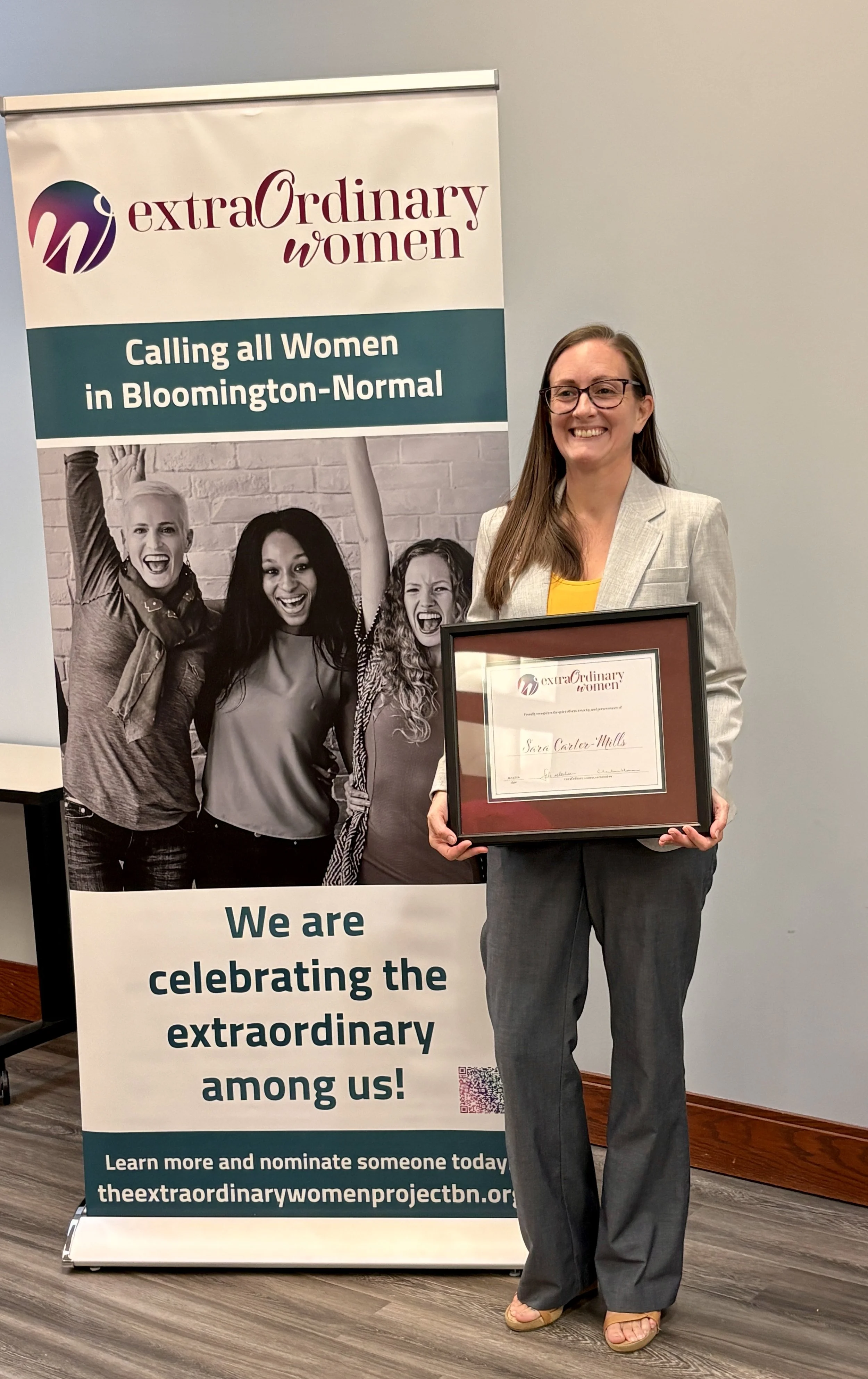
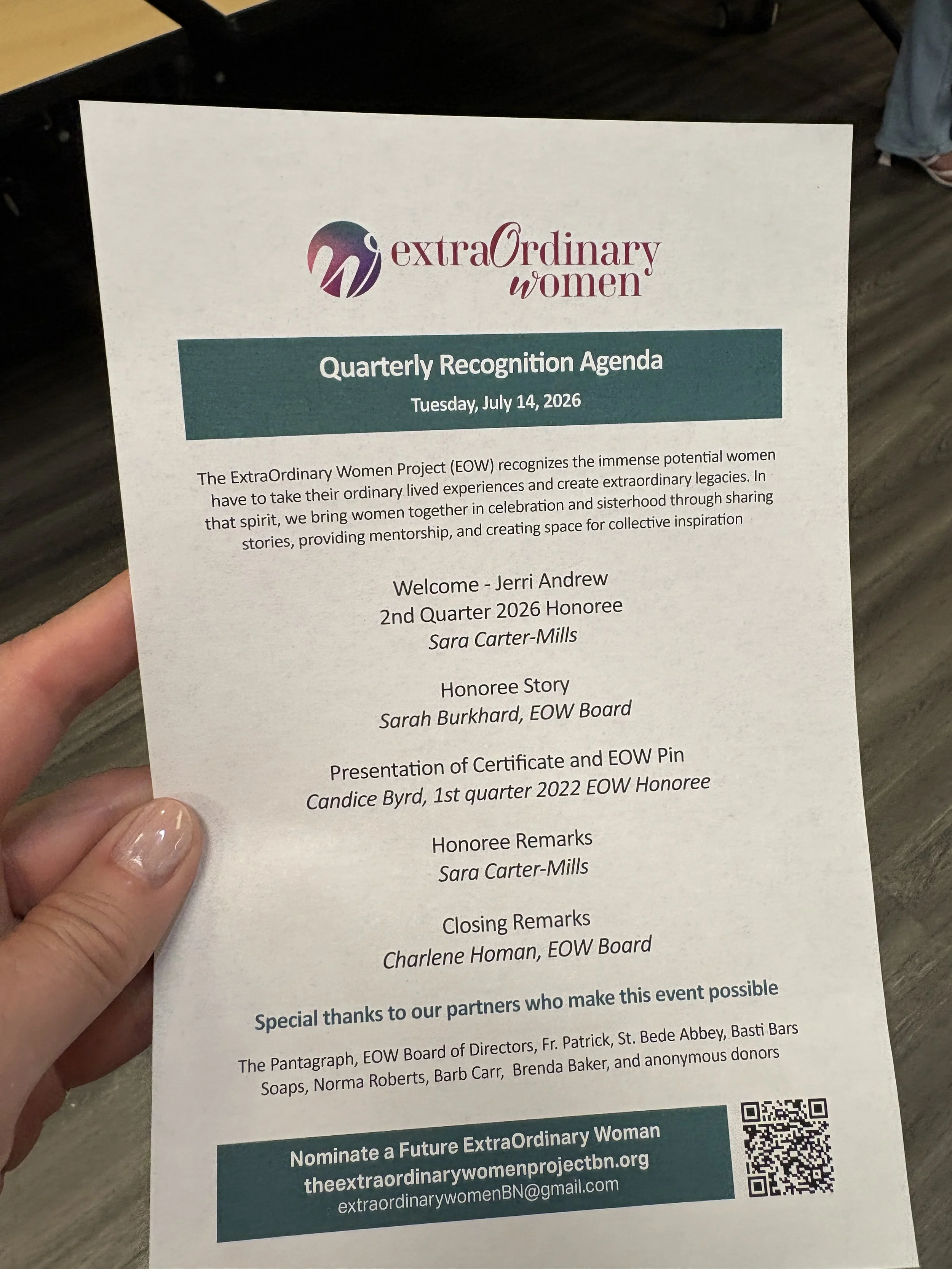
Some people are shaped by the hardships they endure. Others take the broken pieces of their own story and use them to build something so beautiful that it becomes a refuge for countless others. Sara has done exactly that. As the CEO of PATH Crisis Center, Sara now leads an organization dedicated to mental health, crisis intervention, and suicide prevention. Every day, she and her team stand beside people experiencing some of the darkest moments of their lives, ensuring that no one has to face those moments alone. Her life's mission is rooted in compassion, advocacy, and hope—but it didn't begin in an office or a boardroom. It began with a little girl who desperately needed someone to believe her.
Sara was born in Tennessee to a Navy family, spending much of her childhood moving from one place to another before eventually settling in Kentucky. Before she even reached third grade, she had already lived in several different states and spent a few unforgettable years in Hawaii. Those early years were filled with memories she still treasures today—afternoons at the zoo with her father, blueberry cheesecake ice cream after school, and the comforting feeling of being safe, loved, and cherished. Looking back, she smiles as she recalls those moments and says, "I think he liked being my dad." They were simple memories, but they would become precious reminders of a time before life changed forever.
When her parents divorced, everything she knew was turned upside down. The separation was painful and messy, leaving Sara caught in the middle of adult conflict and heartache. At the same time, she was enduring something no child should ever have to experience—years of sexual abuse. Gathering unimaginable courage, Sara eventually told her mother what was happening, hoping someone would rescue her. Instead, she wasn't believed. That moment became one of the deepest wounds she would carry throughout her life. To this day, she speaks with conviction when she says, "Children should be believed." Those four words reflect not only her own experience but the foundation of the work she now dedicates her life to.
The trauma began to show in every part of her childhood. She struggled academically, stopped turning in assignments, cried in class, and often found herself isolated from her peers. She was bullied relentlessly. Lunchtime became so lonely that she frequently ate with the principal because she simply didn't know where else she belonged. While many adults saw a child acting out, Sara wishes they had recognized something much different. "I wish they understood that through any behavior that seemed like a cry for help—that it was." Beneath the behavior was a frightened little girl begging for someone to notice her pain.
By just twelve years old, that pain had become overwhelming. Sara began experiencing suicidal thoughts and eventually attempted to end her life. Thankfully, a friend found a letter she had written and bravely turned it in. That single act of courage became the turning point that saved her life. For the first time, people truly began to see her. A therapist listened without judgment. Teachers checked in on her every day. Someone made sure she got a hug each morning. Someone asked if she had finished her homework—not because of grades, but because they cared enough to notice her. Looking back, Sara isn't sure she would have survived without those people. "They got me here," she says. "I really don't know if I would've made it through school without them."
What is perhaps most remarkable about Sara's story is that even while carrying unimaginable pain, she never stopped caring for others. While many children understandably withdrew into themselves, Sara instinctively moved toward people who were hurting. She remembers helping in the kitchen while everyone else relaxed in the living room and wondering why someone sitting alone at church didn't have anyone beside them. Helping wasn't something she forced herself to do—it was simply who she was. "I can't not help," she says. Even as a child carrying her own burdens, she was searching for ways to lighten someone else's.
That same compassion followed her into adulthood. As a first-generation college student, Sara pursued higher education with determination, despite often doubting whether she belonged. Learning didn't come easily, and she frequently questioned herself, but giving up was never an option. "I don't quit on things," she says. She earned her bachelor's degree in Child Development and Family Studies before going on to complete a master's degree in Mental Health Counseling—all while raising young children. Completing such an intensive graduate program in just eighteen months was something she once thought impossible. Looking back now, she admits with a smile, "I didn't think I was even capable of doing that. But I'm proud of myself."
Those degrees represented far more than academic achievements. They were declarations that her past would never define her future. They were proof that little girls who aren't believed can still grow into women who change lives. Throughout her career, mentors and supervisors consistently recognized gifts in Sara that she struggled to see in herself. They noticed her extraordinary empathy, her ability to make others feel safe, and the genuine compassion that naturally flowed from her. She spent years working with children, families, and vulnerable populations before eventually leading one of the region's most important mental health organizations.
Sara's journey toward authenticity would require another tremendous act of courage. After years of marriage and becoming the mother of three beautiful children, she realized she was gay. Coming to terms with that truth was deeply personal, but saying it out loud felt terrifying. Raised in a church-centered family, with her mother serving as a church secretary, Sara knew the reactions that could come. She feared rejection from the people she loved most. "I felt like if there was ever a time to be disowned, this might be it," she recalls. But after spending so much of her life surviving by facing difficult truths, she realized she could no longer hide this one. "I had to say the truth because I couldn't carry it anymore." In choosing authenticity, Sara once again chose courage—not only for herself, but for her children and everyone who would one day look to her as an example of living honestly.
Her relationship with her parents remained complicated throughout adulthood. While she and her mother have experienced healing and growth over the years, her relationship with her father became increasingly painful. The man who had once taken her to the zoo and bought her ice cream became someone she barely recognized. When he learned she was gay, he publicly berated her and later sent a devastating message expressing that he hoped she would live a long life filled with misery. Words like those could have hardened anyone's heart.
Yet even then, Sara chose grace.
When she later learned her father was dying and receiving hospice care, she made the difficult decision to visit him. It wasn't because the past had been erased or because the hurt no longer existed. She went because she wanted peace—for both of them. "I did that for me," she says. "And I did it for him too." Somewhere beneath the years of pain, she still believed there had once been love. That decision didn't excuse what had happened, but it revealed something extraordinary about Sara's character. Again and again, she chooses empathy over bitterness, even when doing so requires tremendous strength.
Perhaps one of the most powerful moments in Sara's story came years later when one of her own children experienced something similar to what she had endured. This time, however, history would not repeat itself. When her child bravely spoke up, Sara and her family responded immediately. "Okay, we believe you." Four simple words. Four words Sara had spent her entire childhood longing to hear. In that moment, she broke a generational cycle. The little girl who wasn't believed became the mother who believed without hesitation. The child who once felt invisible became the parent who made sure her own child would never question whether they were seen, heard, and loved.
Today, Sara leads PATH Crisis Center and oversees life-saving services, including the 988 Suicide & Crisis Lifeline. She understands better than most what it means to desperately need someone to answer the phone. She knows what it feels like to wonder if anyone sees your pain. That's why every decision she makes is rooted in compassion. "We are sometimes standing between life and death," she says. It isn't simply her profession—it's deeply personal. She has become the person she once needed.
Despite everything she has accomplished, Sara remains remarkably humble. She doesn't view leadership as a title or a position of prestige. Instead, she sees it as a responsibility to care for the people around her. She knows the names of her staff. She checks in on them. She creates spaces where people feel valued, supported, and safe because she understands firsthand what happens when people don't.
When asked what she would tell the little girl she once was, her answer comes without hesitation: "You're beautiful, you're capable, and you're loved."
Those words beautifully capture the legacy Sara continues to build every single day.
Her story isn't extraordinary simply because she survived unimaginable trauma. It isn't extraordinary because she became a CEO or earned multiple degrees against incredible odds. It is extraordinary because every painful chapter of her life became an opportunity to love others more deeply. The little girl who wasn't believed became the woman who believes. The child who longed to be seen became the leader who makes sure others never feel invisible. The young girl who once wondered if her life mattered grew into a woman whose work helps save lives every single day.
Because Sara chose compassion over bitterness, authenticity over fear, and hope over despair, countless people she may never meet will find healing, hope, and the courage to keep going.
That is what makes her extraordinary.